Imagine your small business as a ship sailing through the unpredictable seas of commerce. Just like a sturdy vessel relies on its lifeboats and safety gear, your business needs protection against the unforeseen. Enter the world of small business insurance—your unsung hero, ready to shield your enterprise from the storms of risk and uncertainty.
Embracing the right insurance is not just a smart decision; it’s the foundation for peace of mind and sustainability. From evolving historical roots to a diverse array of modern options, small business insurance has become crucial in safeguarding your hard-earned dreams. Let’s embark on a journey to explore how the right coverage can be your business’s anchor, stabilizing you amidst any tempest.
Overview of Small Business Insurance
In the dynamic world of small businesses, insurance serves as a crucial safety net against unforeseen adversities. Understanding its role can be transformative, providing business owners the peace of mind needed to focus on growth and innovation.
Small business insurance is not just a financial product; it’s a strategic tool that has evolved significantly over the decades. Its roots trace back to the earliest forms of risk-sharing agreements, and today it offers a wide array of options tailored to meet the diverse needs of small business owners.
The Evolution and Importance of Insurance for Small Businesses
Small business insurance has grown from humble beginnings to a complex yet indispensable service. Initially, it was about basic coverage, but it has transformed into a comprehensive shield against myriad risks. Insurance is now integral to small business risk management, offering protection against liabilities, property damage, and employee-related risks. This evolution highlights how essential insurance is in preparing for uncertainties, ensuring that businesses can weather storms without debilitating financial loss.
Types of Insurance Available for Small Businesses
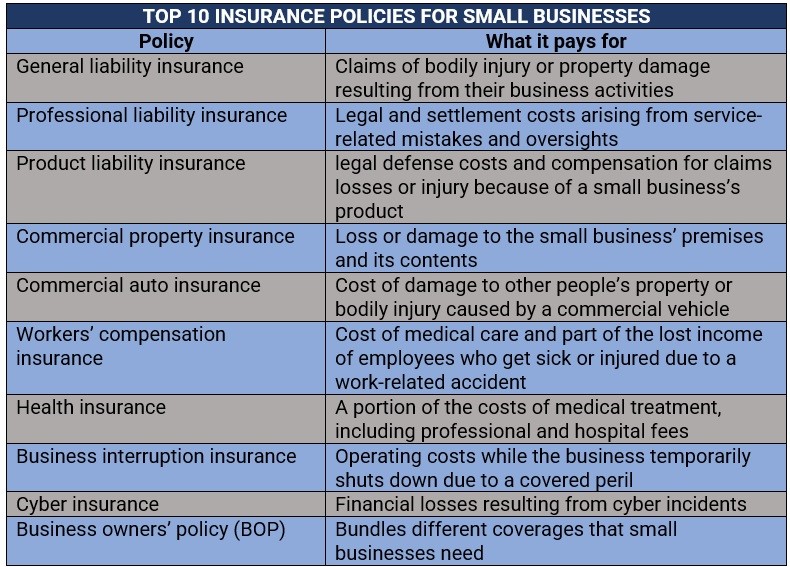
To secure the future of a small business, owners can choose from various types of insurance, each designed to cover specific aspects of their operations. Here are some key types:
- General Liability Insurance: Protects against claims of bodily injury or property damage.
- Property Insurance: Covers damages to business premises and inventory.
- Workers’ Compensation Insurance: Provides benefits to employees for work-related injuries.
- Professional Liability Insurance: Shields against claims of negligence or mistakes in professional services.
- Commercial Auto Insurance: Covers vehicles used for business purposes.
Insurance’s Role in Risk Management for Small Businesses
Risk management is a pillar of sustainable business operations. Insurance plays a vital role by allowing businesses to transfer potential financial losses from various risks to insurance companies. This transfer is crucial because it frees up resources and attention for innovation and growth rather than crisis management. “Insurance is not just about protection; it’s about strategic risk mitigation,” enabling small businesses to thrive even in uncertain economic climates.
Types of Small Business Insurance
In the bustling world of small business, navigating the maze of risks can be daunting. Insurance provides a safety net, ensuring that your entrepreneurial dreams remain resilient even in turbulent times.
While there are numerous insurance options available, understanding the most common types is essential to secure the appropriate coverage for your business. Let’s delve into the various policies that offer protection and peace of mind to small business owners.
Understanding General Liability Insurance
General liability insurance is a cornerstone policy for any small business. It offers protection against claims related to bodily injury, property damage, and personal or advertising injury caused by your business operations. This type of insurance is crucial as it covers legal expenses and potential settlements, allowing your business to weather unforeseen challenges.
By safeguarding your business from costly lawsuits, general liability insurance ensures that you can focus on growth and innovation without interruptions. With this coverage, small businesses can operate confidently, knowing they are protected from common but potentially devastating liabilities.
The Importance of Property Insurance
For small businesses, the physical assets—be it your office space, equipment, or inventory—are vital to operations. Property insurance plays a crucial role in safeguarding these assets against damages caused by events such as fire, theft, or natural disasters.
This policy covers the cost of repairing or replacing damaged property, ensuring that your business can recover swiftly without crippling financial burdens. Property insurance is not just about protection; it’s about preserving the future of your business by minimizing downtime and mitigating losses.
Benefits of Professional Liability Insurance for Service-Based Businesses
Operating a service-based business comes with its unique set of risks, primarily involving errors, omissions, or negligence in the services provided. Professional liability insurance, also known as errors and omissions insurance, is designed to shield service providers from claims arising from professional mistakes or failures to deliver the promised services.
This insurance ensures that you can manage potential legal battles without jeopardizing your company’s financial health. By covering legal fees and settlements, professional liability insurance offers peace of mind, allowing service-based businesses to thrive in a competitive market with confidence and security.
Selecting the Right Insurance for Your Small Business
Your small business is more than a source of income—it’s your passion, your dream. Protecting it with the right insurance is essential for its longevity and success.
In a world full of uncertainties, ensuring your business isn’t one of them is crucial. Selecting the right insurance requires a strategic approach to shield you from unexpected hurdles.
Strategies for Assessing Insurance Needs
Start by evaluating the unique risks your business faces. Consider factors such as industry, location, and operational size. Identify potential liabilities that could impact your business financially.
Engage with an insurance advisor who understands your industry. Discuss your business operations in detail to uncover hidden risks. This partnership can illuminate coverage options that you might not have considered otherwise.
Checklist for Comparing Insurance Policies and Providers
Comparing policies can be overwhelming, but a systematic approach can make it easier. Here’s a checklist to guide you:
- Review coverage limits and exclusions.
- Evaluate the financial stability of insurers.
- Check customer service ratings and reviews.
- Assess the ease of filing claims.
- Seek feedback from other business owners.
- Consider the insurer’s expertise in your industry.
Understanding the Insurance Landscape
| Insurance Type | Coverage | Benefits | Ideal For |
|---|---|---|---|
| General Liability | Bodily injury, property damage | Protects against lawsuits | Retailers, contractors |
| Professional Liability | Errors and omissions | Covers legal defense costs | Consultants, accountants |
| Commercial Property | Property loss or damage | Safeguards assets | Manufacturers, landlords |
| Workers’ Compensation | Employee injury or illness | Provides medical benefits | Businesses with employees |
Customizing an Insurance Plan for Industry-Specific Risks
Every industry has its own set of risks. Tailor your insurance plan to address these specific challenges. For example, a tech startup may prioritize cyber liability insurance, while a construction firm might focus on contractor’s liability.
Conduct a thorough risk assessment that considers both common and unique threats within your sector.
By aligning your insurance strategy with industry-specific risks, you create a robust safety net.
This customization not only safeguards your business but also offers peace of mind, knowing you’re prepared for whatever comes your way.
Cost Considerations and Budgeting for Insurance
Understanding the costs associated with small business insurance is vital to maintaining a balanced financial statement. This section will guide you through the various factors influencing insurance premiums and how to effectively budget for them.
Insurance premiums are determined by a variety of factors, each contributing to the final cost your business will incur. By breaking down these elements, you can better prepare and strategize to optimize your insurance investment.
Factors Influencing Insurance Premiums
Several critical elements impact the cost of insurance for small businesses. Business size, industry risk factors, and claim history are significant determinants of your premium rates. For instance, businesses in high-risk industries like construction may face higher premiums compared to a retail store.
Additional factors include the location of your business, as areas prone to natural disasters might result in higher costs. Moreover, the amount of coverage and the type of policy chosen also play crucial roles in determining your premium.
Estimating Insurance Costs and Budgeting Effectively
Proper estimation and budgeting can alleviate financial strain. Begin by obtaining quotes from multiple insurers to gain an understanding of the price range. Utilize online calculators that consider your business specifics to provide a rough estimate of potential costs.
- Evaluate your business operations and assets to determine necessary coverage.
- Incorporate estimated costs into your annual budget plan.
- Review your current financial status to assess available funds for insurance.
The Impact of Deductibles on Insurance Expenses
Deductibles can significantly influence your overall insurance expenses. Choosing a higher deductible often results in lower premium costs. For example, if a policy with a $500 deductible costs $1,000 annually, opting for a $1,000 deductible might reduce the premium to $800 annually.
| Deductible | Annual Premium |
|---|---|
| $500 | $1,000 |
| $1,000 | $800 |
“Higher deductibles mean lower premiums, but ensure you can cover the out-of-pocket costs if necessary.”
Negotiating Better Rates or Discounts
Effective negotiation can lead to significant savings on insurance costs. Start by building a good relationship with your insurance provider and being transparent about your needs and financial constraints.
Consider the following steps to negotiate better rates:
- Bundle multiple policies with the same insurer for potential discounts.
- Request revised quotes annually to ensure competitive pricing.
- Inquire about discounts for businesses with a strong safety record or for implementing risk-reducing measures.
Legal and Regulatory Aspects of Small Business Insurance
Navigating the intricate world of small business insurance requires more than just understanding the types of coverage available. It’s crucial to grasp the legal and regulatory aspects that dictate requirements and ensure compliance.
Whether you’re running a startup or managing an established venture, comprehending the mandatory insurance coverage in your locale is essential. This knowledge not only protects your business from potential legal penalties but also enhances its credibility and trustworthiness.
Understanding Jurisdictional Insurance Requirements
Across various jurisdictions, the legal requirements for small business insurance can significantly differ. While some areas mandate certain coverages, others may offer more flexibility. Familiarizing yourself with these regulations is vital for seamless operations.
- Most jurisdictions require businesses to have Workers’ Compensation Insurance, especially if they have employees.
- Commercial Auto Insurance is often required if your business uses vehicles.
- Some states mandate certain levels of General Liability Insurance for specific industries.
- Avoiding compliance can lead to hefty fines and legal battles.
Ensuring Compliance with Insurance Laws and Regulations
Remaining compliant with insurance laws involves a proactive approach. Establishing a robust framework for managing and reviewing your insurance policies is imperative.
- Regularly review your insurance policies and compare them with current legal requirements.
- Collaborate with a knowledgeable insurance advisor who understands the nuances of your industry.
- Implement an internal audit system to ensure all policies are up-to-date and meet legal standards.
Key Regulatory Considerations for Different Business Models
Online and brick-and-mortar businesses each face unique regulatory challenges. Understanding these nuances will help you tailor your insurance coverage effectively.
| Business Model | Regulatory Considerations |
|---|---|
| Online Businesses | Focus on Cyber Liability Insurance to protect against data breaches and cyber threats. |
| Brick-and-Mortar Businesses | Concentrate on Property Insurance and Business Interruption Insurance for in-person operations. |
Common Legal Challenges in Insurance Claims
Unfortunately, insurance claims can sometimes lead to complex legal challenges. Understanding these potential hurdles can help you prepare and protect your business.
“The most effective way to handle legal challenges is to prevent them through diligent policy management and understanding your rights as a policyholder.”
- Disputes over coverage limits and exclusions.
- Denials based on policy interpretations.
- Delays in claim processing leading to financial strain.
Trends and Future of Small Business Insurance
The landscape of small business insurance is evolving at a rapid pace, driven by technological advancements and changing business needs. As small businesses face new challenges, the insurance industry adapts with innovative solutions designed to meet these demands.
This evolution brings both exciting opportunities and pressing challenges, as traditional models are supplemented with digital innovations, and new forms of insurance emerge to protect businesses from modern threats.
Emerging Trends in the Insurance Market
Recently, there has been a significant shift in the small business insurance market, signaling a move towards more personalized and flexible insurance products. Insurers are increasingly using big data and AI to tailor policies to the specific needs of businesses, offering coverage that is not only more relevant but also more cost-effective. Moreover, the rise of on-demand insurance, which allows businesses to purchase coverage only when they need it, is revolutionizing how small businesses manage risk.
Traditional vs. Digital Insurance Solutions
| Traditional Insurance | Digital Insurance |
|---|---|
| Long-term contracts | Flexible, on-demand coverage |
| Manual processing | Automated, streamlined processes |
| Limited customization | Highly personalized using AI |
The digital revolution is reshaping insurance offerings, providing small businesses with unprecedented flexibility and efficiency. Unlike traditional insurance, digital platforms enable quicker responses to claims and more dynamic product offerings, allowing businesses to thrive in an ever-changing market environment.
Technology’s Role in Shaping Future Insurance
As technology continues to advance, its impact on small business insurance becomes even more profound. Innovations such as blockchain for secure transactions, IoT devices for risk assessment, and artificial intelligence are set to redefine the insurance landscape. These technologies promise to enhance transparency, improve the accuracy of risk evaluations, and ultimately lead to more competitive and fair pricing models.
“The future is not just digital; it’s smarter and more connected.”
Growing Importance of Cyber Insurance
In today’s digital-first world, the threat of cyberattacks looms large over small businesses, making cyber insurance an essential component of their risk management strategy. Cyber insurance policies are becoming more sophisticated, offering protection against data breaches, ransomware attacks, and other cyber threats that can cripple a business. As the frequency and severity of cyber incidents increase, the demand for comprehensive cyber insurance coverage continues to grow, underscoring its critical role in safeguarding business operations.
Closure
As we set sail towards the horizon of small business success, let insurance be your guiding star, illuminating the path to resilience and security. With the right policy in hand, you’re not only protecting your assets but also investing in a future where your business can thrive without limits. So, hoist your sails high and chart a course where you navigate risks with confidence, knowing that your business is fortified by the power of insurance.

