How Much Is Auto Insurance in Massachusetts? A Comprehensive Guide to Understanding Costs and Coverage

Have you ever wondered how much you’re really spending on auto insurance in Massachusetts? Whether you’re a seasoned driver or just getting started, navigating the world of auto insurance can feel like a daunting task. But fear not! We’re here to unravel the mysteries, break down the costs, and help you make informed decisions that ensure both your peace of mind and your wallet are well-protected.
In this guide, we’ll explore everything from mandatory insurance requirements to innovative ways to trim those premium costs. By the end, you’ll not only understand what influences your rates but also discover how to take control of your insurance destiny with creative strategies. Welcome to your ultimate resource for mastering auto insurance in Massachusetts!
Understanding Auto Insurance Basics in Massachusetts
Driving through the charming streets of Massachusetts, you might not see it, but auto insurance is as essential as your car keys. It’s the invisible shield that safeguards you and others on the road.
Massachusetts mandates specific auto insurance requirements to ensure the smooth sails of traffic and safety on its roads. Without it, a simple drive could lead to a whirlpool of legal troubles.
Mandatory Auto Insurance Requirements
In the Bay State, auto insurance isn’t just a recommendation; it’s a legal necessity. Every driver must have a set minimum of insurance coverage to steer legally. Here’s what’s essential:
- Bodily Injury to Others: At least $20,000 per person, up to $40,000 per accident.
- Personal Injury Protection (PIP): Minimum of $8,000 per person.
- Bodily Injury Caused by an Uninsured Auto: $20,000 per person and $40,000 per accident.
- Damage to Someone Else’s Property: At least $5,000 per accident.
Types of Coverage Available
Beyond the basics, Massachusetts offers a buffet of coverage options to tailor your insurance policy. This not only enhances your safety net but also provides peace of mind while driving.
- Collision Coverage: Covers your vehicle in the event of a crash, regardless of fault.
- Comprehensive Coverage: Protects against non-collision incidents like theft, fire, or natural disasters.
- Medical Payments: Provides additional medical coverage beyond PIP limits.
- Rental Reimbursement: Covers the cost of a rental car while your car is being repaired.
Legal Implications of Driving Without Insurance
Venturing onto Massachusetts roads without insurance is like sailing into a storm with no lighthouse in sight. The legal repercussions are severe and can impact more than just your driving record. Consider this:
“Driving without insurance can result in fines, license suspension, and even jail time.”
In essence, if you’re caught without the mandatory coverage, you risk facing fines of up to $5,000, an immediate suspension of your driver’s license, and potential imprisonment. The state views this as a serious offense because it compromises the safety of all road users.
Factors Influencing Auto Insurance Costs
When it comes to auto insurance in Massachusetts, various factors play a crucial role in determining your premium rates. Understanding these can help you make informed decisions and potentially lower your costs.
Whether you’re a new driver or looking to switch providers, knowing what impacts your auto insurance premiums is key. Let’s explore these influential factors.
Impact of Geographic Location on Insurance Rates
Your location in Massachusetts can significantly affect your auto insurance premiums. Urban areas like Boston often have higher rates compared to rural locations.
| Area | Average Premium |
|---|---|
| Boston | $1,500 |
| Springfield | $1,200 |
| Berkshires | $1,000 |
Factors such as traffic congestion, crime rates, and even weather patterns contribute to these differences.
Living in a bustling city might mean higher rates due to increased risk factors.
Vehicle Type and Age Influence
The type and age of your vehicle play a pivotal role in determining insurance costs. Newer, high-end cars typically cost more to insure because of the expense associated with repairs or replacements.
- Luxury vehicles attract higher premiums due to costly parts and features.
- Older vehicles might offer lower premiums but could lack advanced safety features.
- Safety features like anti-lock brakes, airbags, and collision warning systems can reduce rates.
Insurance companies assess the risk associated with each vehicle type and adjust premiums accordingly.
Your choice of vehicle can dramatically sway your insurance costs.
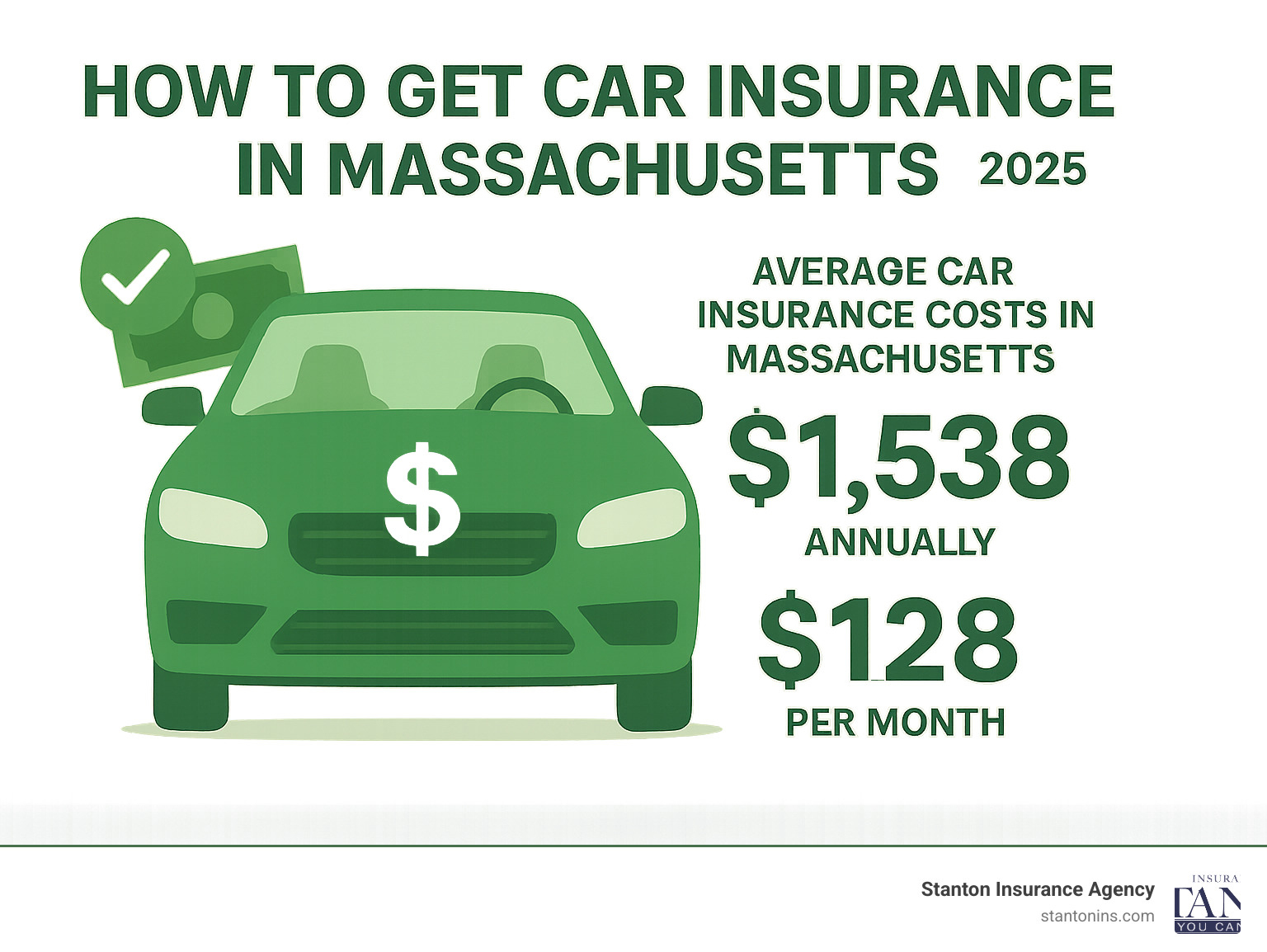
Average Cost of Auto Insurance in Massachusetts
The vibrant landscape of Massachusetts, from its bustling cities to quaint towns, is mirrored by the dynamic figures surrounding auto insurance costs. Understanding these costs is essential for every driver aiming to navigate the roads of the Bay State smartly and economically.
In Massachusetts, the average cost of auto insurance is a key concern for many residents who wish to weigh their options wisely. The state’s rates are influenced by a myriad of factors, but how do these figures stack up against the national average? Let’s dive into the numbers and see how Massachusetts measures up.
Comparing Insurance Providers: A Closer Look at Costs
When it comes to choosing an auto insurance provider in Massachusetts, the cost is a crucial determinant. Here’s a snapshot of the average annual premiums offered by some major players in the insurance industry within the state. This comparison will help you gauge where you might get the best deal:
| Insurance Provider | Average Annual Premium |
|---|---|
| Provider A | $1,200 |
| Provider B | $1,450 |
| Provider C | $1,300 |
| Provider D | $1,600 |
The table above highlights a striking variation in premiums across different providers, showcasing the importance of comparison shopping. Whether you’re a new driver or a seasoned roadster, these figures offer a starting point for making informed decisions.
Massachusetts vs. National Averages: The Bigger Picture
When examining Massachusetts’s average auto insurance costs, it’s insightful to place it against the national backdrop. The average annual premium in the United States hovers around $1,450, making Massachusetts fairly competitive within the national landscape.
“Understanding where Massachusetts stands nationally can empower drivers to strategize their insurance choices better.”
Despite being in a densely populated region with extensive driving routes, Massachusetts maintains an average that aligns closely with the national average. This parity suggests that while costs may fluctuate within the state, drivers are generally not at a disadvantage compared to their counterparts nationwide.
Ways to Reduce Auto Insurance Costs
Navigating the intricate world of auto insurance in Massachusetts can sometimes feel like piecing together a complex puzzle. The good news is that there are numerous strategies you can employ to lighten the financial load of your premiums, ensuring your driving experience is both safe and economically viable.
Understanding these strategies not only empowers you to make informed decisions but also helps you tailor your insurance plan to better fit your needs and budget.
Implementing Smart Strategies to Lower Premiums
Reducing your auto insurance costs begins with a strategic approach. By making thoughtful decisions about your coverage and driving habits, you can significantly cut down on expenses. For instance, consider raising your deductible; this can lower your premium because you’re agreeing to pay more out of pocket in case of a claim. Additionally, opting for a policy with only the necessary coverage can prevent you from overpaying for features you might not need.
Bundling your auto insurance with other types of insurance, like home or renters, often results in discounts. Moreover, maintaining a good credit score can also positively impact your insurance rates and is a factor not to be overlooked.
Maintaining a Good Driving Record
Your driving record is a critical element in determining your insurance rates. Keeping a clean driving record not only boosts your safety on the road but also ensures your premiums remain low. Here’s a plan to help you maintain a stellar record:
- Always adhere to speed limits and traffic signals.
- Attend defensive driving courses to improve your skills and knowledge.
- Avoid distractions such as mobile phones while driving.
- Regularly service your vehicle to ensure it meets safety standards.
“Your driving record is your scorecard in the world of auto insurance. Keep it clean, and you’ll reap the benefits.”
Exploring Discounts Offered by Insurance Providers
Insurance providers in Massachusetts offer a variety of discounts that can make a substantial difference in your premium costs. Here’s a list of common discounts you might qualify for:
- Multi-policy Discount: Offered when you bundle multiple types of insurance with the same provider.
- Safe Driver Discount: Available to drivers with a clean record over a specified period.
- Good Student Discount: For students who maintain a high GPA, recognizing responsible behavior both in and out of the classroom.
- Low Mileage Discount: Given to drivers who do not exceed a certain number of miles annually, reflecting lower risk.
- Anti-theft Discount: If your car is equipped with alarm systems or other anti-theft devices.
Each insurance provider has its own set of criteria and discounts, so it’s vital to communicate with your insurer to ensure you’re receiving all discounts you’re eligible for.
Choosing the Right Auto Insurance Provider
Finding the perfect auto insurance provider in Massachusetts can feel like searching for a needle in a haystack. With so many options available, how do you ensure you’re making the best choice?
The key lies in understanding what factors matter most to you and leveraging that knowledge to make an informed decision. It’s not just about the price—it’s about the value you receive in return.
Criteria for Selecting an Auto Insurance Provider
When sifting through potential auto insurance providers, there are several critical aspects to consider that can make all the difference in your experience. Start by examining the provider’s financial stability. A financially sturdy insurer is more likely to pay claims promptly and efficiently. Dive into their reputation by reviewing customer feedback and ratings, which provide insight into their reliability and service quality.
Next, consider the range of coverage options and discounts available. Does the provider offer customizable policies that fit your lifestyle and budget? Additionally, check if they provide any special discounts for which you might be eligible, such as safe driver or multi-policy discounts.
Customer Service and Support Options
Exceptional customer service is a non-negotiable component when choosing an auto insurance provider. Consider the accessibility of their support channels—do they offer 24/7 assistance, or are they only available during limited hours? Opt for insurers that provide multiple support options, like online chat, phone, and email, ensuring help is available whenever you need it.
Moreover, assess their claims process. A provider with an efficient, hassle-free claims process can save you from unnecessary stress during an already challenging time. Look for features such as online claims filing and a dedicated claims support team to simplify the process.
Evaluating Insurance Quotes Effectively
When it comes to evaluating insurance quotes, it’s essential to compare apples to apples. Take the time to understand what each quote includes and ensure you are comparing similar coverage levels and deductibles across different providers. This enables you to accurately gauge which option offers the best value for your needs.
Create a comparison table to visualize differences:
| Provider | Premium | Deductible | Coverage Options | Discounts |
|---|---|---|---|---|
| Provider A | $1,200 | $500 | Comprehensive, Collision | Multi-Policy, Safe Driver |
| Provider B | $1,150 | $1,000 | Basic, Liability | Good Student, Multi-Car |
Utilizing such a table can help highlight which provider gives you the best coverage for your money, ensuring you’re not just choosing the cheapest option but the wisest one.
“Choose wisely, and your insurance provider will be a partner, not just a service.”
Future Trends in Auto Insurance
As we steer into the future of auto insurance in Massachusetts, significant shifts promise to reshape the landscape. The state’s residents and insurance providers alike need to stay informed about these emerging trends that are set to redefine the way we perceive auto coverage.
From technological advancements to legislative changes, these factors are not just altering the current scenario but are also paving the way for a more dynamic and responsive auto insurance industry.
Technology’s Role in Shaping Auto Insurance Offerings
The integration of technology is revolutionizing auto insurance offerings. Insurers are now leveraging telematics to offer usage-based insurance (UBI) policies, where premiums are tailored based on individual driving patterns. This personalized approach is not only more equitable but also encourages safer driving habits.
Moreover, the advent of autonomous vehicles is pushing insurers to rethink traditional models. As self-driving technology becomes more prevalent, the focus may shift from driver liability to product liability, significantly impacting coverage structures.
Impact of Legislation on Future Insurance Rates and Policies
Legislative changes continue to play a crucial role in shaping the future of auto insurance in Massachusetts. Recent initiatives aimed at promoting environmentally friendly vehicles have led to incentives for insuring electric and hybrid cars, potentially lowering premiums for eco-conscious drivers.
Additionally, ongoing discussions about data privacy regulations are crucial. As insurers collect more data through telematics and connected devices, they must navigate the balance between utilizing this data for risk assessment and respecting consumer privacy rights. Legislative frameworks will dictate how these aspects evolve, influencing both policy structures and pricing.
“The landscape of auto insurance is not static; it is a canvas constantly being painted with new technologies and legislative strokes.”
Conclusion
As we wrap up this journey through the landscape of auto insurance in Massachusetts, you’re now equipped with the knowledge to make savvy decisions. By understanding the nuances of coverage options, recognizing factors that influence costs, and seizing opportunities to save, you’re not just a policyholder—you’re a savvy protector of your financial future.
Embrace the power of informed choices and let your newfound wisdom guide you toward the perfect insurance plan. Remember, the road ahead is always brighter when you travel with confidence and clarity. Drive safely, and may your insurance adventures be as smooth as your ride!
