Are you ready to embark on a transformative journey towards selling your house swiftly and lucratively? Navigating the real estate market can be daunting, but fear not! This guide is designed to equip you with the expert strategies needed to accelerate your property sale while maximizing your profit. With our creative and persuasive insights, you’ll be one step ahead in the selling game.
Picture this: a seamless process where your house becomes the star of the market, attracting buyers like bees to honey. Our comprehensive approach will unravel the mysteries of the real estate world, ensuring your property shines above the rest. Let’s dive in and unlock the secrets to a fast and successful house sale.
Understanding the Real Estate Market
The real estate market is a living entity, constantly evolving and influenced by a myriad of factors. For a swift and profitable house sale, understanding this dynamic landscape is crucial.
In this section, we explore the key elements that dictate the pace of property transactions, from market trends to economic conditions.
Factors Influencing the Speed of Selling a House
Several factors can accelerate or decelerate the sale of a house. These include market demand, the condition of the property, pricing strategy, and marketing efforts. However, the location and current economic landscape often stand out as pivotal influences.
Current Real Estate Trends
The real estate market is currently experiencing shifts due to changes in buyer preferences and technological advancements. Remote work has increased the demand for properties in suburban and rural areas, while urban centers are seeing a revival with the return to in-office work. Sustainability and smart home technology are also gaining traction among modern buyers.
Impact of Location on Property Sale Speed and Price
Location remains a cornerstone in the real estate market. Properties in desirable neighborhoods with essential amenities, good schools, and low crime rates typically sell at a higher price and faster pace. Conversely, homes in less sought-after areas may linger longer on the market unless priced competitively.
“Location, location, location” is not just a mantra; it’s a proven truth in real estate.
Role of Economic Conditions on Real Estate Sales
Economic health significantly impacts real estate dynamics. During economic booms, consumer confidence and purchasing power rise, leading to increased home buying. However, during recessions, the market can slow as buyers become more cautious. Interest rates also play a critical role; lower rates can stimulate buying activity, while higher rates might deter potential buyers.
| Factor | Impact on Sale Speed | Impact on Price |
|---|---|---|
| Location | High | High |
| Economic Conditions | Moderate | Significant |
| Market Trends | Variable | Variable |
Preparing Your House for Sale
First impressions matter immensely when selling your home. By preparing your property strategically, you can ensure potential buyers are captivated from the moment they arrive.
Creating an inviting and appealing environment both inside and out is key to attracting offers. Let’s delve into some strategies to elevate your property’s readiness for sale.
Enhancing Curb Appeal
The exterior of your home is the first thing buyers see, and it sets the tone for their entire experience. To make your home irresistible from the outside, consider these expert strategies:
- Landscaping: Trim bushes, mow the lawn, and plant seasonal flowers for a fresh look.
- Exterior Paint: A fresh coat on the front door or shutters can make a noticeable difference.
- Lighting: Install modern light fixtures for a welcoming glow in the evenings.
Repairs and Upgrades to Maximize Value
Identifying and addressing key repairs and upgrades can significantly boost your property’s value. Focus on areas that offer the highest return on investment:
| Area | Recommended Upgrade | Potential Impact |
|---|---|---|
| Kitchen | Update appliances and replace countertops | High |
| Bathroom | Modernize fixtures and re-grout tiles | Moderate to High |
| Living Room | Refresh with a neutral paint color | Moderate |
Checklist for Staging a Home Effectively
Staging transforms your home into a canvas where buyers can imagine their future lives. Follow this comprehensive checklist to stage your home like a pro:
- Arrange furniture to create open, inviting spaces.
- Use neutral colors to appeal to a broader audience.
- Accessorize with tasteful art and decor items.
- Ensure ample lighting in every room.
- Highlight key features of each room.
Guide on Cleaning and Decluttering for Open Houses
A clean and clutter-free home suggests organization and care, making it more attractive to potential buyers. Here’s how to achieve a pristine presentation:
“A sparkling clean home feels more welcoming and allows attention to focus on its best features.”
Begin with a deep clean, addressing areas like floors, windows, and appliances. Declutter by removing personal items and unnecessary furniture, giving each room a spacious feel. Organize closets and storage spaces to showcase the available room, making it easy for buyers to envision their belongings in your home.
Pricing Your Home Competitively
In the world of real estate, pricing your home just right is akin to crafting a magic spell that attracts the perfect buyer. The art lies in setting a price that’s inviting yet profitable, ensuring you don’t leave money on the table.
The process of determining a fair market value is a delicate balance of science and art. It requires understanding market trends, analyzing comparable properties, and considering unique features your home may offer. This calculated approach ensures your home is positioned competitively in the market.
Determining a Fair Market Value
Assessing the fair market value of your property involves more than just a gut feeling or casual internet search. It requires thorough research and sometimes the expertise of a seasoned real estate professional. By analyzing recent sales of similar properties in your area, known as “comps,” you can begin to form a baseline pricing strategy. Utilize online tools and seek expert opinions to refine this value.
Comparing Pricing Strategies
Various pricing strategies can influence how potential buyers perceive your home:
- Competitive Pricing: Setting a price at or slightly below market value to garner interest and potentially spark a bidding war.
- High Price Strategy: Listing at a higher price with room for negotiation, ideal in seller’s markets or for unique properties.
- Low Price Strategy: Pricing lower than market value to attract quick offers, suitable for hot markets or quick sales.
The Impact of Overpricing and Underpricing
Overpricing can deter buyers, making your home linger on the market and eventually forcing price reductions that can raise red flags. Conversely, underpricing might lead to a swift sale but could also mean missing out on potential profit. It’s a delicate dance, but understanding these dynamics is crucial for a successful sale.
“The right price is the one that creates interest and urgency without sacrificing your equity.”
Pros and Cons of Various Pricing Models
To help you make an informed decision, examine the pros and cons of each pricing strategy:
| Pricing Model | Pros | Cons |
|---|---|---|
| Competitive Pricing | Generates interest, potential for multiple offers, quicker sale. | May require readiness for quick negotiations. |
| High Price Strategy | Room for negotiation, potential high profit in strong markets. | Risk of deterring buyers, longer time on market. |
| Low Price Strategy | Quick sale, attracts bargain hunters, less time on market. | Potential loss in profits, may undervalue your home. |
Marketing and Promotion Strategies
Unlock the potent tools of real estate marketing to ensure your property stands out in a competitive market. Strategic promotion can be the key to a swift and profitable sale.
In this digital age, leveraging both online and offline platforms is crucial to maximize the reach and impact of your property listings. Let’s explore the strategies that effectively showcase your home to potential buyers.
Comprehensive Online and Offline Marketing Plan
Developing a marketing plan that integrates both online and offline approaches is essential for reaching a diverse audience. Online strategies include listings on real estate websites and social media promotions, while offline tactics involve traditional media and local events. This dual approach ensures maximum exposure and taps into different buyer demographics.
- Leverage real estate websites such as Zillow and Realtor.com for widespread visibility.
- Utilize social media platforms to engage a broader audience.
- Distribute flyers and brochures in local neighborhoods and community centers.
- Host open houses and attend real estate fairs to directly engage potential buyers.
Utilizing Social Media for Property Listings
Social media platforms are a powerhouse for engaging with potential buyers and generating interest in your property. Targeted advertisements can effectively reach specific demographics, while engaging content can create buzz and excitement around your listing.
Platforms like Facebook, Instagram, and LinkedIn offer unique opportunities:
| Platform | Key Features | Best Practices |
|---|---|---|
| Targeted ads, photo albums, and event creation | Engage with community groups and use Facebook Live for virtual tours | |
| Visual storytelling, hashtags, and IGTV | Use high-quality images and engaging stories to attract followers | |
| Professional network, articles, and company page | Share market insights and connect with industry professionals |
Effective Photography Techniques for Real Estate Listings
High-quality images are the cornerstone of any effective real estate listing. Photography can make or break a potential buyer’s first impression of your property.
Consider these techniques for outstanding real estate photography:
- Use a wide-angle lens to capture spaciousness and depth.
- Ensure proper lighting by shooting during the golden hours of sunrise or sunset.
- Stage the home to highlight its best features and create a welcoming atmosphere.
- Include a virtual tour to provide an immersive experience for online viewers.
Examples of Successful Advertising Campaigns for Quick Sales
Successful advertising campaigns blend creativity with strategic targeting to quickly catch the right buyers’ attention. Innovative ideas and smart execution can lead to successful and rapid sales.
“The right campaign can transform a listing from unnoticed to irresistible.” – Anonymous
Consider these success stories:
- A campaign that used 360-degree videos on social media platforms, resulting in a property sale within a week.
- A storytelling approach that personalized the home, resonating emotionally with buyers and leading to multiple offers.
- Utilizing geo-targeted digital ads to reach local buyers, leading to a successful open house event.
Navigating Negotiations and Offers
Successfully navigating negotiations and offers is a crucial step in selling your house swiftly and profitably. Here, you will uncover strategies to effectively manage multiple offers and master the art of negotiation, ensuring a smooth path to closing the deal.
Understanding how to handle offers and negotiate terms can significantly impact the outcome of your home sale. Being prepared and strategic in your approach will empower you to make informed decisions that align with your goals.
Handling Multiple Offers with Strategy
When your home attracts multiple offers, it can be both exciting and overwhelming. The key is to systematically evaluate each offer to identify the most advantageous one. Consider the offer price, contingencies, buyer’s financial stability, and proposed closing timeline.
- Prioritize offers based on the strength of financial backing and readiness to close.
- Communicate transparently with all interested parties to maintain trust.
- Employ an escalation clause to leverage bids against each other, potentially increasing the final sale price.
Mastering Successful Real Estate Negotiations
Negotiation in real estate is a skill that can make or break your sale. Be prepared to advocate for your interests while remaining open to reasonable compromises. Approach negotiations with a mindset of collaboration rather than confrontation.
- Focus on creating a win-win situation where both parties feel satisfied.
- Rely on data such as recent sales and market trends to justify your counteroffers.
- Stay calm and composed, listening actively to the buyer’s concerns or requests.
The Role of Flexibility and Compromise in Closing Deals
Flexibility is essential when closing deals, as it allows both parties to adjust terms to suit their needs. Compromise doesn’t mean losing value; it’s about finding a path that works for everyone involved.
- Consider offering repair credits or adjusting closing dates to accommodate the buyer’s situation.
- Be willing to renegotiate terms if unexpected issues arise during the inspection.
- Understand that a small concession can sometimes lead to a quicker, more lucrative sale.
Common Pitfalls During Negotiations and How to Avoid Them
Even seasoned sellers can encounter pitfalls during negotiations. Identifying these potential issues beforehand can help you navigate around them.
“The strongest negotiators are those who know when to speak and when to listen.”
| Common Pitfall | Solution |
|---|---|
| Rejecting the first offer outright | Counteroffer with terms that elevate your position while still appealing to the buyer. |
| Ignoring a buyer’s emotional investment | Engage empathetically and acknowledge the buyer’s concerns to build rapport. |
| Being too rigid in negotiations | Remain flexible and open to dialogue to find mutually beneficial terms. |
Leveraging Professional Help
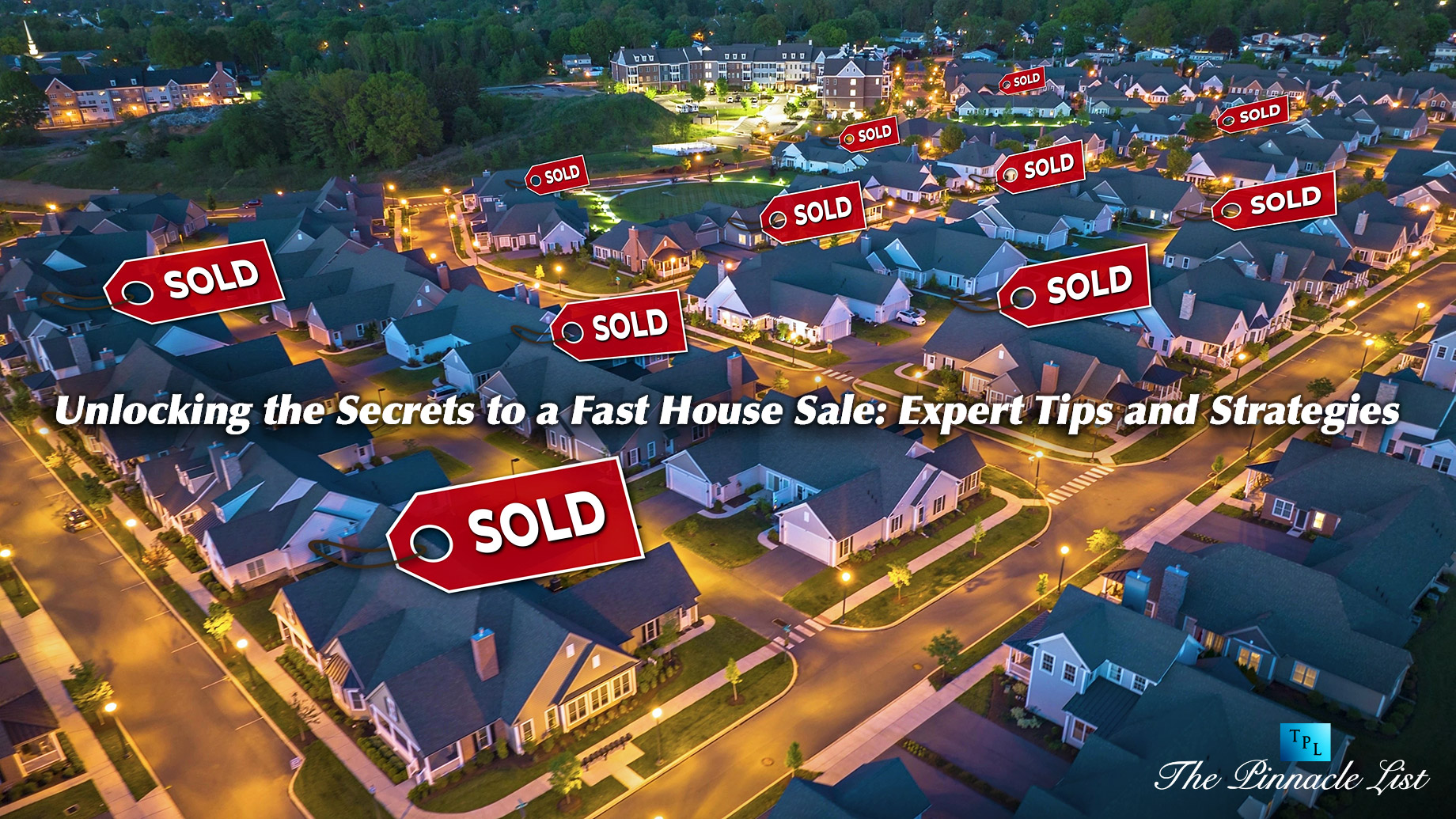
In the intricate dance of selling your home swiftly and profitably, leveraging professional help can be your ace in the hole. Engaging the right real estate experts not only streamlines the process but also maximizes your return.
Real estate professionals bring a wealth of knowledge and experience, ensuring that you navigate each step of the selling journey with confidence. Let’s delve into how these experts can be your guiding light.
The Benefits of Hiring a Real Estate Agent
Real estate agents are more than just intermediaries; they are your trusted advisors in the tumultuous sea of property sales. By hiring a seasoned agent, you gain access to local market expertise, ensuring your home is priced competitively and attracts serious buyers. These professionals manage the logistics, from staging to closing, saving you invaluable time and effort.
“A real estate agent is your partner in crafting a seamless and successful home sale experience.”
Roles and Responsibilities of Real Estate Professionals
Understanding the roles real estate professionals play can enhance your collaboration with them. Real estate agents are responsible for listing properties, conducting market analyses, and negotiating offers. Brokers, on the other hand, often oversee transactions and ensure legal compliance. Both are crucial in delivering a comprehensive selling strategy.
Key responsibilities include:
- Conducting market research and analysis
- Creating and executing marketing strategies
- Managing viewings and open houses
- Negotiating offers and counteroffers
- Ensuring all legal documents are accurate and timely
Comparing Services Offered by Real Estate Agents and Brokers
While real estate agents and brokers both facilitate home sales, their services can differ significantly. Choosing between them depends on your specific needs and the complexity of your sale.
| Service | Real Estate Agent | Broker |
|---|---|---|
| Market Analysis | Provides insights and suggests pricing | Offers detailed reports and strategic pricing guidance |
| Marketing | Develops and implements marketing plan | Oversees and enhances marketing strategies |
| Negotiation | Handles initial and ongoing negotiations | Assists with complex negotiations and legal terms |
| Legal Compliance | Ensures basic compliance with contracts | Provides in-depth legal oversight and document management |
Selecting the Right Professional for Selling Your House
Choosing the right professional to guide your sale is a crucial decision. Start by seeking referrals from friends or online reviews, then interview potential candidates to gauge their expertise and compatibility. Look for someone who understands your goals and whose communication style aligns with yours.
Consider these factors when making your choice:
- Experience in the local market
- Track record of successful sales
- Comprehensive marketing plan
- Effective communication skills
- Professional credentials and references
“The right professional can transform your selling journey, turning challenges into triumphs.”
Final Summary
In the dynamic world of real estate, selling your house swiftly and profitably is not just a dream—it’s a reality waiting for you to seize. With the expert strategies artikeld in this guide, you’re empowered to make informed decisions and take decisive action. Remember, the key to success lies in preparation, creativity, and embracing professional support. Your dream sale is within reach, and it’s time to make it happen. Let’s turn that “For Sale” sign into a triumphant “Sold!”

