Embark on your next adventure with the peace of mind that only John Hancock Gold Travel Insurance can provide. Imagine a journey where every step is safeguarded by comprehensive coverage tailored to your specific needs. From unexpected cancellations to medical emergencies abroad, this is more than just insurance; it’s your trusty travel companion.
With John Hancock Gold Travel Insurance, you’re not just purchasing a policy—you’re investing in a worry-free travel experience. Our Gold plan offers unparalleled benefits and flexibility, ensuring that you can focus on creating memories while we handle the rest. Discover the difference today, and let us turn your travel dreams into reality with a safety net that’s as robust as your spirit of adventure.
Overview of John Hancock Gold Travel Insurance
The John Hancock Gold Travel Insurance offers comprehensive coverage designed for travelers seeking peace of mind on their journeys. With its robust range of features, it stands out as a reliable choice for safeguarding your travel experiences.
This insurance plan caters to the diverse needs of travelers, providing extensive benefits that ensure you are well-protected against unforeseen circumstances. Whether it’s trip cancellation, medical emergencies, or travel delays, John Hancock Gold Travel Insurance has you covered.
Key Features and Benefits
John Hancock Gold Travel Insurance is loaded with premium features that ensure travelers are well-protected. These include:
- Comprehensive trip cancellation and interruption coverage to protect your investment.
- Generous medical emergency benefits, including evacuation and repatriation services.
- Coverage for lost, stolen, or damaged luggage and personal effects.
- Travel delay benefits to cover unexpected expenses during delays.
These features provide the assurance that you can travel with confidence, knowing that unexpected events are managed smoothly and effectively.
Coverage Options and Policy Limits
Understanding the breadth of coverage options available with John Hancock Gold Travel Insurance is crucial for making an informed decision. The policy offers:
- High limits on trip cancellation and interruption expenses.
- Medical coverage limits suitable for a variety of travel destinations.
- Flexibility in choosing the right plan structure to match your travel needs.
These extensive policy limits ensure that you are financially protected no matter where your travel takes you.
Target Customers
John Hancock Gold Travel Insurance is ideal for travelers who prioritize comprehensive protection and are looking for a secure travel experience. This includes frequent travelers, families, and senior citizens who may require additional medical coverage. By providing a wide range of benefits, this policy serves as an excellent choice for those seeking a premium travel insurance solution.
Comparison of Travel Insurance Options
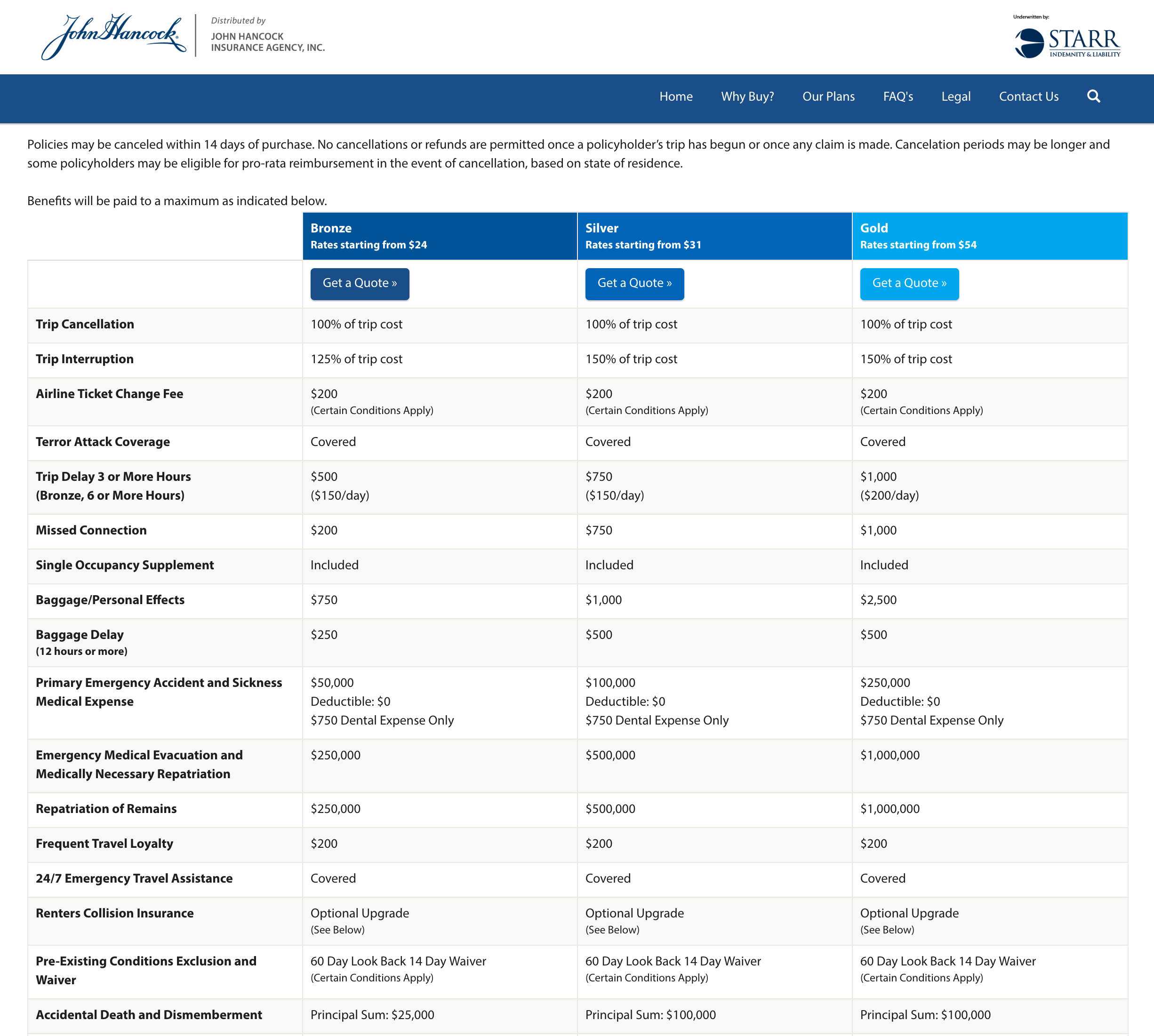
The John Hancock travel insurance suite is designed to cater to different needs, offering Gold, Silver, and Bronze options. Below is a comparison table illustrating the differences:
| Feature | Gold | Silver | Bronze |
|---|---|---|---|
| Trip Cancellation | High Limit | Moderate Limit | Basic Limit |
| Medical Coverage | Extensive | Standard | Minimal |
| Luggage Protection | Comprehensive | Moderate | Limited |
| Travel Delay | Extended Benefits | Basic Benefits | Minimum Benefits |
This comparison helps potential policyholders select the level of coverage that best aligns with their travel plans and personal needs.
Coverage Details and Inclusions
Embarking on your journey with John Hancock Gold Travel Insurance means stepping into a world of comprehensive protection. This policy is designed to cover unforeseen mishaps, ensuring your travel is as smooth as possible.
The Gold plan offers a suite of coverage options, each tailored to address common travel concerns. Whether it’s dealing with the unexpected loss of luggage or an unplanned medical emergency, John Hancock Gold Travel Insurance has got you covered.
Comprehensive Coverage at Your Fingertips
This policy covers a wide range of circumstances to keep you protected throughout your travels. With emergency medical coverage, trip cancellation protection, and even baggage delay reimbursement, you can travel with peace of mind. Here’s a detailed look at what’s included and excluded:
| Coverage Inclusions | Coverage Exclusions |
|---|---|
| Emergency Medical Expenses | Pre-existing Medical Conditions |
| Trip Cancellation/Interruption | War or Civil Disorder |
| Lost or Delayed Baggage | Losses Due to Intoxication |
| Travel Delay and Missed Connections | Participation in Extreme Sports |
Consider a scenario: you’ve meticulously planned your dream vacation, but an immediate family member falls ill, forcing you to cancel your trip. With John Hancock Gold Travel Insurance, you can file a claim under trip cancellation coverage, ensuring you don’t lose out financially. Alternatively, imagine a situation where your luggage doesn’t arrive on time at your destination. The Gold plan includes baggage delay coverage, allowing you to purchase essential items while you wait for your bags to catch up with you.
These
comprehensive coverages
provide a safety net for a myriad of potential travel disruptions, turning what could be a travel nightmare into a minor inconvenience.
Application and Claim Process
Embarking on your next adventure is thrilling, but ensuring you’re protected is crucial, and John Hancock Gold Travel Insurance makes this seamless from start to finish.
Understanding both the application and claim processes is essential to take full advantage of your policy’s benefits and react promptly if unforeseen circumstances arise.
Simple Steps to Apply for Your Coverage
Applying for John Hancock Gold Travel Insurance is a straightforward process designed with your convenience in mind. Begin your journey to peace of mind by following these easy steps:
- Visit the Website: Navigate to the John Hancock Travel Insurance website to explore your policy options.
- Select a Plan: Choose the Gold Travel Insurance plan that best suits your travel needs.
- Provide Traveler Information: Enter necessary personal and travel details, such as your destination and trip dates.
- Review and Confirm: Carefully review the policy details to ensure all information is correct.
- Purchase: Complete your transaction using a secure payment method and receive confirmation of your coverage.
Insight into the Claims Process
Filing a claim with John Hancock Gold Travel Insurance is designed to be as smooth as possible, ensuring you can focus on resolving your travel issues with minimal stress. Below is a flowchart detailing the claims process to guide you through each step with clarity:
“A claim process that’s as reassuring as your morning coffee.”
|
Essential Documentation for Filing a Claim
To expedite the claims process, ensuring you have the correct documentation is vital. Here’s a checklist of the essential documents typically required:
- Proof of Insurance: Your policy number and proof of coverage.
- Travel Itinerary: Detailed itinerary including flight and accommodation details.
- Receipts and Invoices: Original copies of any expenses related to the claim, like medical bills or replacement costs.
- Medical Reports: If applicable, a detailed report from your healthcare provider on the illness or injury.
- Police Reports: Necessary in cases of theft, loss, or other legal matters.
By meticulously gathering and submitting these documents, you ensure a smoother, faster resolution to your claim, allowing you to focus on what truly matters—your journey.
Benefits of Choosing John Hancock Gold Travel Insurance
When it comes to safeguarding your travels, choosing the right insurance can make all the difference. John Hancock Gold Travel Insurance stands out as a premier choice, offering unparalleled advantages that cater to the discerning traveler.
Opting for the Gold plan not only ensures comprehensive protection but also provides peace of mind wherever you go. With its competitive benefits, this plan is tailored to meet the diverse needs of today’s globetrotters.
Comprehensive Coverage and Flexibility
One of the most compelling reasons to choose John Hancock Gold Travel Insurance is its extensive coverage options. This premium plan includes coverage for trip cancellation, interruption, and delay, as well as medical emergencies and lost baggage. Unlike many other plans, the Gold option offers a high degree of customization, allowing you to tailor the coverage to suit your specific travel needs.
Testimonials from Satisfied Travelers
Our policyholders consistently praise the peace of mind that comes with our Gold plan. Here’s what some of them have to say:
“I was initially drawn to John Hancock because of their reputation, but the Gold plan exceeded my expectations. When my flight was unexpectedly canceled, their support team handled everything quickly and efficiently, making a stressful situation far more manageable.” – Sarah J.
“On a trip to Europe, I fell ill and needed medical attention. The Gold Travel Insurance covered my expenses without any hassle, allowing me to focus on recovery. I couldn’t be more grateful for their comprehensive service.” – Michael T.
Comparative Advantages Over Other Insurers
When comparing John Hancock Gold Travel Insurance to other major travel insurers, it’s evident that the Gold plan offers superior benefits. Let’s take a closer look:
| Benefit | John Hancock Gold | Competitor A | Competitor B |
|---|---|---|---|
| Trip Cancellation Coverage | Up to $100,000 | Up to $50,000 | Up to $75,000 |
| Emergency Medical Coverage | Up to $250,000 | Up to $150,000 | Up to $200,000 |
| Baggage Loss | Up to $2,500 | Up to $1,500 | Up to $2,000 |
As illustrated in the table above, John Hancock’s Gold plan consistently provides higher coverage limits in key areas, offering travelers more security and value for their investment. With its robust coverage and flexible options, it’s clear why so many travelers entrust their journeys to John Hancock.
Cost and Pricing Structure
When it comes to selecting the right travel insurance, understanding the cost and pricing structure can make all the difference. John Hancock Gold Travel Insurance offers competitive pricing tailored to your unique travel needs and preferences.
With a variety of factors influencing the overall cost, it’s essential to delve into the specifics to ensure you get the best coverage for your money. Let’s explore these factors and see how they affect your premium.
Factors Influencing Cost
Several elements contribute to the overall pricing of your travel insurance plan. The travel duration, destination, traveler’s age, and the level of coverage selected all play a role. For example, a longer trip to a remote destination might increase the premium, whereas shorter trips might come with a lower cost.
- Duration of Travel: Longer trips tend to have higher premiums.
- Destination: Some destinations might require higher coverage due to risk factors.
- Traveler’s Age: Older travelers might face slightly higher premiums due to increased health risks.
- Coverage Limits: Opting for higher coverage limits will affect the cost.
Calculating Premium Costs
To better understand how premiums are calculated, consider this sample scenario: A 35-year-old traveler planning a 15-day trip to Europe with a coverage limit of $100,000. Using John Hancock’s pricing model, the cost would be calculated based on these variables, ensuring the traveler receives adequate coverage without overspending.
“Peace of mind on the go, without breaking the bank.”
Pricing Tiers Based on Coverage Limits
John Hancock Gold Travel Insurance offers various pricing tiers to accommodate different levels of coverage. The following table illustrates how different coverage limits can affect the premium costs:
| Coverage Limit | Premium Cost |
|---|---|
| $50,000 | $150 |
| $100,000 | $250 |
| $200,000 | $400 |
Frequently Asked Questions and Support
Embarking on an adventure with the assurance of John Hancock Gold Travel Insurance means peace of mind for all your travel plans. Below we address some of the most common questions to ensure transparency and ease of understanding.
The Gold Travel Insurance plan by John Hancock has been designed with the traveler in mind, offering extensive coverage with comprehensive support to keep you secure every step of your journey.
Understanding Your Coverage
Getting to grips with what your policy covers is crucial for a worry-free journey. Here, we delve into the specifics to ensure you’re well-informed:
- What does the Gold Travel Insurance plan cover? The Gold plan offers extensive coverage, including trip cancellations, interruptions, medical emergencies, and lost baggage protection.
- Are pre-existing conditions covered? Yes, provided you meet certain conditions such as purchasing the plan within a specified time frame from your initial trip deposit.
- How are claims processed? Claims can be submitted online or via mail, with a dedicated team ready to assist you in ensuring speedy processing.
Contacting Us for Support
Our support team is ready to assist you with any queries or issues that may arise. We place great emphasis on providing top-notch customer service to all our policyholders:
- For immediate assistance, call us at 1-800-555-0199.
- Email inquiries can be directed to support@johnhancocktravel.com.
- Our online chat service is available through our website for quick questions.
Accessing Additional Resources
We believe in empowering our travelers with all the necessary tools and information. Here’s a guide on accessing additional resources to enhance your travel security knowledge:
“Knowledge is the key to confident travel.”
- Visit our resources page for detailed articles and guides.
- Download our mobile app for quick access to policy details and to manage your account on the go.
- Join our monthly webinars designed to keep you updated on travel safety and insurance topics.
Last Word
Choosing the right travel insurance is crucial, and John Hancock Gold Travel Insurance stands out as a clear winner. With its extensive coverage and customer-centric approach, it’s your ultimate partner in travel. Don’t leave your adventures to chance; secure them with a policy that understands the intricacies of global travel. Step into the world with confidence, knowing that John Hancock has your back.

