Imagine securing your home with a protective shield woven from trust and reliability. Allstate Home Insurance is here to offer just that, ensuring your haven is safeguarded against life’s unpredictable turns. Discover the myriad of coverage options tailored to meet every homeowner’s unique needs, and experience peace of mind like never before.
With a variety of customizable policies at your fingertips, Allstate stands ready to provide coverage as comprehensive as the dreams you have for your home. Dive into an ocean of possibilities where every coverage plan is crafted with your security and satisfaction at its core, empowering you to protect what matters most with confidence and creativity.
Coverage Options

Your home is your sanctuary, and ensuring it’s protected can provide you with peace of mind. Allstate offers a range of home insurance coverage plans tailored to meet your unique needs.
Whether you’re seeking basic protection or comprehensive coverage, Allstate has you covered. Explore the variety of options that can safeguard your home and everything you love inside it.
Standard vs. Comprehensive Policies
Understanding the difference between standard and comprehensive policies is crucial when selecting home insurance. A standard policy typically covers the essentials, such as damage from fire, theft, and certain natural disasters. Meanwhile, a comprehensive policy offers broader protection, often including additional scenarios and higher coverage limits.
| Policy Type | Features | Benefits |
|---|---|---|
| Standard Policy | Basic coverage for fire, theft, and specific natural disasters. | Affordable protection for common risks. |
| Comprehensive Policy | Expanded coverage including additional scenarios and higher limits. | Enhanced peace of mind with broader protection. |
Optional Add-Ons and Endorsements
Elevate your coverage with optional add-ons and endorsements. These allow you to customize your policy to address specific concerns and provide extra layers of protection. Some popular choices include:
- Flood Insurance: Protects against damage from rising water levels.
- Personal Property Coverage: Ensures valuables like jewelry or electronics are covered.
- Identity Theft Restoration: Aids in recovering and restoring your identity if compromised.
“Customize your coverage to fit your life, because no two homes are the same.”
Policy Terms and Conditions

Navigating the nuances of home insurance can sometimes feel like trying to decode a foreign language. But fear not, because understanding the key terms and conditions is your gateway to ensuring your home is perfectly shielded.
Let’s dive deep into the crucial aspects of home insurance policy terms and conditions, shedding light on what you need to know to make informed decisions that safeguard your sanctuary.
Policy Limits and Deductibles
When it comes to home insurance, understanding policy limits and deductibles is essential. The policy limit is the maximum amount your insurance will pay out in the event of a covered loss. On the other hand, a deductible is what you pay out-of-pocket before your insurance kicks in.
Imagine your policy as a safety net – the stronger and more defined the net, the better your peace of mind. However, take note: higher policy limits often mean higher premiums, but they provide greater security.
Scenarios Affecting Coverage Eligibility
Your home is unique, just like the factors that might affect your coverage eligibility. Whether it’s the location of your home, its age, or even your personal claims history, several scenarios can influence your eligibility and premium costs.
“The devil is in the details,” as they say, and understanding these scenarios will help you tailor your policy to fit your specific needs.
Important Exclusions and Conditions
Before you sign on the dotted line, let’s explore the exclusions and conditions that play a pivotal role in shaping your coverage. Be informed; be empowered.
- Natural disasters like floods and earthquakes may not be covered unless specifically included.
- Maintenance-related damage is generally excluded from coverage.
- Intentional damage caused by the homeowner is excluded.
- High-value items may need additional riders for full coverage.
- Vacancy or long-term unoccupied homes might affect your coverage.
Claims Process

Filing a claim with Allstate Home Insurance is designed to be seamless and efficient, ensuring you can quickly return to the comfort of your home. We understand that in times of unexpected events, having a reliable partner makes all the difference.
Allstate provides a streamlined claims process that is both user-friendly and thorough. With clear steps and dedicated support, you can rest assured that your claims are handled with the utmost care and professionalism.
Step-by-Step Guide to Filing a Claim
When it comes to filing a claim, timing and accuracy are crucial. Here’s a breakdown of the steps to take when you need to file a claim with Allstate:
- Contact Allstate: Reach out to us via our 24/7 claims hotline or through our online portal. Our representatives are always ready to assist you.
- Document the Damage: Take photos and make a list of all damaged items. Keep receipts and other relevant documents handy to expedite the process.
- Submit Your Claim: Provide all necessary information either online or through a phone call. Make sure to include all documentation for a smoother process.
- Adjuster Review: An Allstate adjuster will assess the damage and work with you to determine coverage and repair options.
- Receive Payment: Once reviewed, you will receive compensation for covered losses, allowing you to start repairs and replacements promptly.
Best Practices for Documenting Damage and Loss
Proper documentation is key to a successful claims process. Follow these best practices to ensure your claim is processed without delays:
- Take clear, high-resolution photographs of all damaged areas and items.
- Maintain a detailed inventory with descriptions and values of each affected item.
- Store all receipts and purchase records in a safe place.
- Keep a backup of all documents and images digitally.
- Provide a written account of how the damage occurred to give context to your claim.
Claim Processing Times and Customer Support
At Allstate, we aim to process claims swiftly while keeping you informed every step of the way. Our dedicated customer support team is available to address any questions or concerns you might have:
“Speed and transparency are at the heart of our claims process, ensuring you receive the support you need when you need it most.”
Typical claim processing times vary based on the complexity of the claim but rest assured our team prioritizes efficiency and clarity to minimize any disruptions to your life.
Comparison of Claims Processes
Here’s a quick glance at how Allstate’s claims process measures up against other home insurance providers:
| Feature | Allstate | Competitor A | Competitor B |
|---|---|---|---|
| 24/7 Claim Support | Available | Limited to business hours | Available |
| Online Claim Filing | Yes | No | Yes |
| Average Processing Time | 7-10 days | 10-14 days | 14-21 days |
| Dedicated Adjuster | Yes | No | Yes |
Discounts and Savings
Who doesn’t love a good discount? At Allstate, we believe that protecting your home shouldn’t break the bank, which is why we offer a range of discounts and savings opportunities to help you maximize value while minimizing costs.
Our insurance plans are designed to be as flexible as possible, enabling you to tailor your coverage and take advantage of numerous cost-saving options. From bundling policies to loyalty rewards, we offer a variety of ways to keep more money in your pocket while ensuring your home is protected.
Unlock the Power of Bundling and Loyalty Rewards
When you bundle your home insurance with other policies, such as auto or life insurance, you can unlock significant savings and enjoy the convenience of a single, consolidated plan. Bundling can lead to substantial reductions in your overall premium, making it a smart financial move. Additionally, being a loyal Allstate customer comes with perks! Our loyalty rewards program is designed to appreciate long-term customers by offering extra savings and exclusive benefits.
Factors Influencing Premium Costs
Your premium rates are influenced by a multitude of factors ranging from the location of your property to the inclusion of certain safety features. For example, homes equipped with advanced security systems or located in low-risk areas for natural disasters can often qualify for reduced premiums. By understanding these factors, you can make informed decisions that not only enhance your coverage but also optimize costs.
Comparing Savings Opportunities Across Insurance Packages
To visualize how different insurance packages can vary in terms of savings, here’s a comparison:
| Insurance Package | Potential Savings | Additional Benefits |
|---|---|---|
| Home & Auto Bundle | Up to 25% | Streamlined payments |
| Loyalty Reward Programs | 5% after 5 years | Exclusive offers |
| Advanced Security Features | 10-15% | Enhanced home protection |
Tips for Maximizing Discounts and Reducing Premiums
To help you make the most out of your policy, here are some tips:
- Consider installing home security systems to qualify for additional savings.
- Regularly review your policy to make sure you’re taking advantage of all available discounts.
- Maintain a good credit score, as it can positively impact your premium rates.
- Stay with Allstate over the years to benefit from our loyalty rewards.
- Bundle your insurance policies to maximize savings potential.
With Allstate, you don’t just insure your home; you invest in peace of mind with savings that make a difference.
Customer Reviews and Testimonials

When it comes to securing your home, understanding the experiences of others can be invaluable. Dive into the world of Allstate customer reviews and see why so many homeowners trust their coverage.
Allstate’s home insurance services have consistently garnered attention for their comprehensive support and reliable protection. Let’s explore the key themes from customer feedback and take a closer look at their satisfaction ratings.
Common Themes and Satisfaction Ratings
One of the most prevalent themes in customer reviews is the reliability and responsiveness of Allstate’s claims process. Many policyholders appreciate the prompt and thorough assistance they receive in times of need. Furthermore, reviews often mention the tailored coverage options that suit individual needs, enhancing overall satisfaction.
According to aggregated data, Allstate boasts an impressive overall satisfaction rating, often scoring above industry averages. Customers frequently highlight the company’s friendly and knowledgeable agents, who make navigating policies and claims straightforward and stress-free.
Examples of Customer Experiences
Positive experiences abound, with many customers praising Allstate for their quick claim resolutions and personalized service. However, as with any service, there are occasional negative reviews. Some policyholders have expressed concerns regarding policy rate adjustments and the need for clearer communication about changes.
To provide a clearer picture, here’s a summary of testimonials from real Allstate customers:
| Customer Name | Rating | Comments |
|---|---|---|
| Jane Doe | 5/5 | “Allstate made the claims process seamless. I felt supported every step of the way!” |
| John Smith | 4/5 | “Great coverage options, but I had to call a few times for policy clarification.” |
| Emily Clark | 3/5 | “Overall good service, but I’m not thrilled about the recent rate increase.” |
Coverage Area and Availability
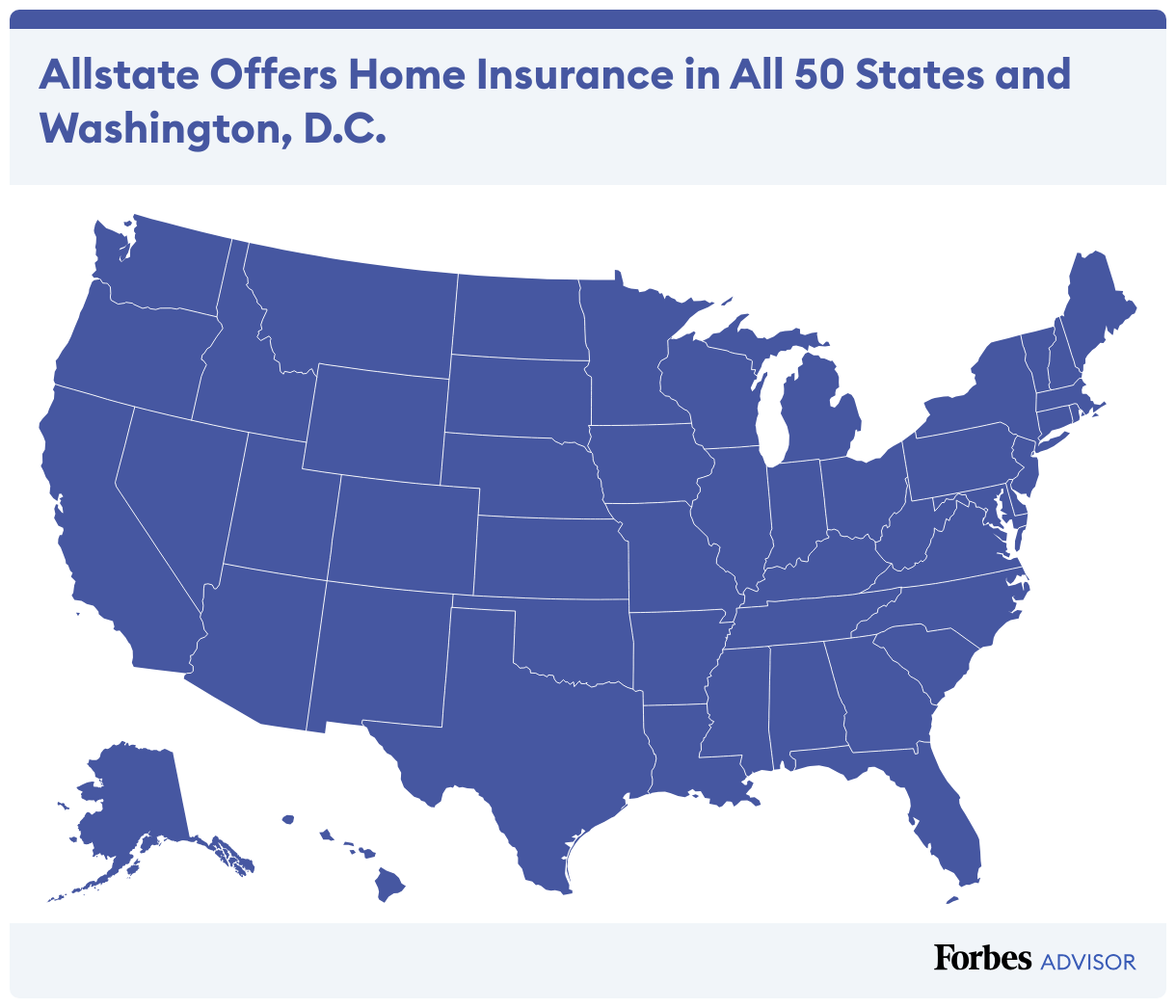
See how Allstate home insurance extends its protective embrace across numerous regions, crafting tailored coverage to meet diverse needs and unique circumstances. Whether you’re nestled in a bustling city or the serene countryside, Allstate ensures you’re never left without a safety net.
Your location not only determines the availability of Allstate’s comprehensive coverage but also influences the nuances of your policy in terms of options and pricing. Regional endorsements or limitations may apply, adding layers of customization to your protection plan.
Regional Coverage Reach and Specifics
Allstate home insurance isn’t just a one-size-fits-all provider. They understand the distinct dynamics and potential risks unique to each area, adapting coverage to suit the following:
- Nationwide Reach: Allstate offers home insurance policies across most states, ensuring that whether you’re in the sunny coasts of California or the chilly hills of Vermont, there’s a plan for you.
- Location-Specific Risks: In hurricane-prone areas, additional windstorm coverage is available, whereas in regions with harsh winters, coverage may include protection against snow and ice damage.
- Urban vs. Rural: Availability of coverage can differ between urban centers, where theft coverage might be emphasized, and rural areas, where wildfire protection could be prioritized.
- Pricing Variations: Costs can fluctuate based on local risk factors and historical claim data, ensuring that you pay a fair rate reflecting your specific environment.
- Endorsements and Limitations: Certain areas may see unique endorsements like flood insurance in low-lying regions, while limitations might apply in areas of high claim frequency.
Comparing Regional Differences
Understanding the geographical diversity of Allstate’s offerings is crucial. The table below highlights how coverage options and endorsements vary by region:
| Region | Coverage Focus | Common Endorsements | Pricing Factors |
|---|---|---|---|
| Coastal Areas | Windstorm, Flood | Storm Surge Protection | Proximity to Ocean |
| Midwest | Hail, Tornado | Roof Replacement Cost | Weather Patterns |
| Urban Centers | Theft, Vandalism | Identity Theft Restoration | Crime Rate |
“Understanding your region’s specific needs can tailor your policy to offer the most comprehensive protection available.”
Summary

In a world where unpredictability reigns, let Allstate Home Insurance be your steadfast companion. Embrace the power of informed choices and exceptional coverage that evolves with you and your home. Choose Allstate, where your home’s safety is not just a promise, but a commitment. Start your journey to unparalleled protection today, and unlock the peace of mind you truly deserve.

